Treatment Stages

Duration of stages

  • Day 1-3: Examination and Final Decision
  • Day 4: Briefing with a Doctor
  • Day 5-8: Stem Cell Mobilization
  • Day 9-10: Stem Cell Harvesting
  • Day 11: Vacation
  • Day 12-17: High Dose Immunosuppression
  • Day 18: Stem Cell Reinfusion
  • Day 19: MoAb-Rituximab Infusion
  • Day 20-25: Hematological & Immunological Recovery — Isolation
  • Day 26: MoAb-Rituximab Infusion
  • Day 27-29: Final Tests And Discharge
  • Day 29-365: Rehabilitation and Happy Life

Day 1-3

Examination and Final Decision

Day 4

Briefing with a Doctor

Day 5-8

Stem Cell Mobilization

Day 9-10

Stem Cell Harvesting

Day 11

Vacation

Day 12-17

High Dose Immunosuppression

Day 18

Stem Cell Reinfusion

Day 19

MoAb-Rituximab Infusion

Day 20-25

Hematological & Immunological Recovery - Isolation

Day 26

MoAb-Rituximab Infusion

Day 27-29

Final Tests And Discharge

Day 29-365

Rehabilitation and Happy Life

Stem cells stimulation

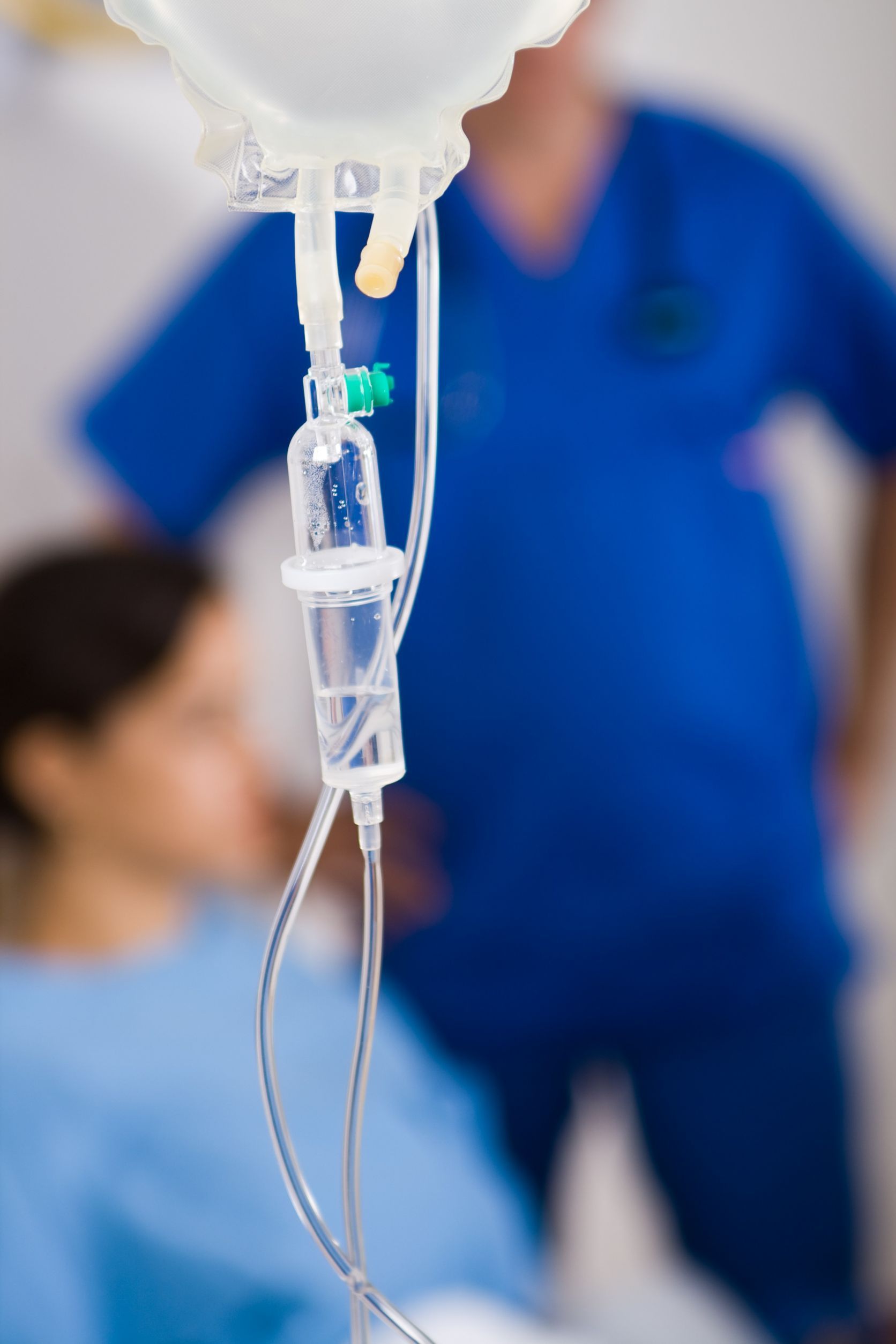
Stem cells stimulation - 4 days (sometimes 5-6 days, depending on the results of stem cell collection). Granulocyte-colony stimulating factor (G-CSF) 10 µg/kg.b.w./day (2 subcutaneous injections 11 pm and 3 am) in combination with steroid infusion (Methylprednisolone 500 mg) at 10am-11am (200 ml liquid for 20-40 min intravenous infusion). Also patient takes one antacid pill twice a day 30 mins before food (before breakfast and before dinner).

The most common side effects are:

  • Bone pain
  • Headache
  • Bad sleep
  • Fever and other flu-like symptom

Dialysis insertion

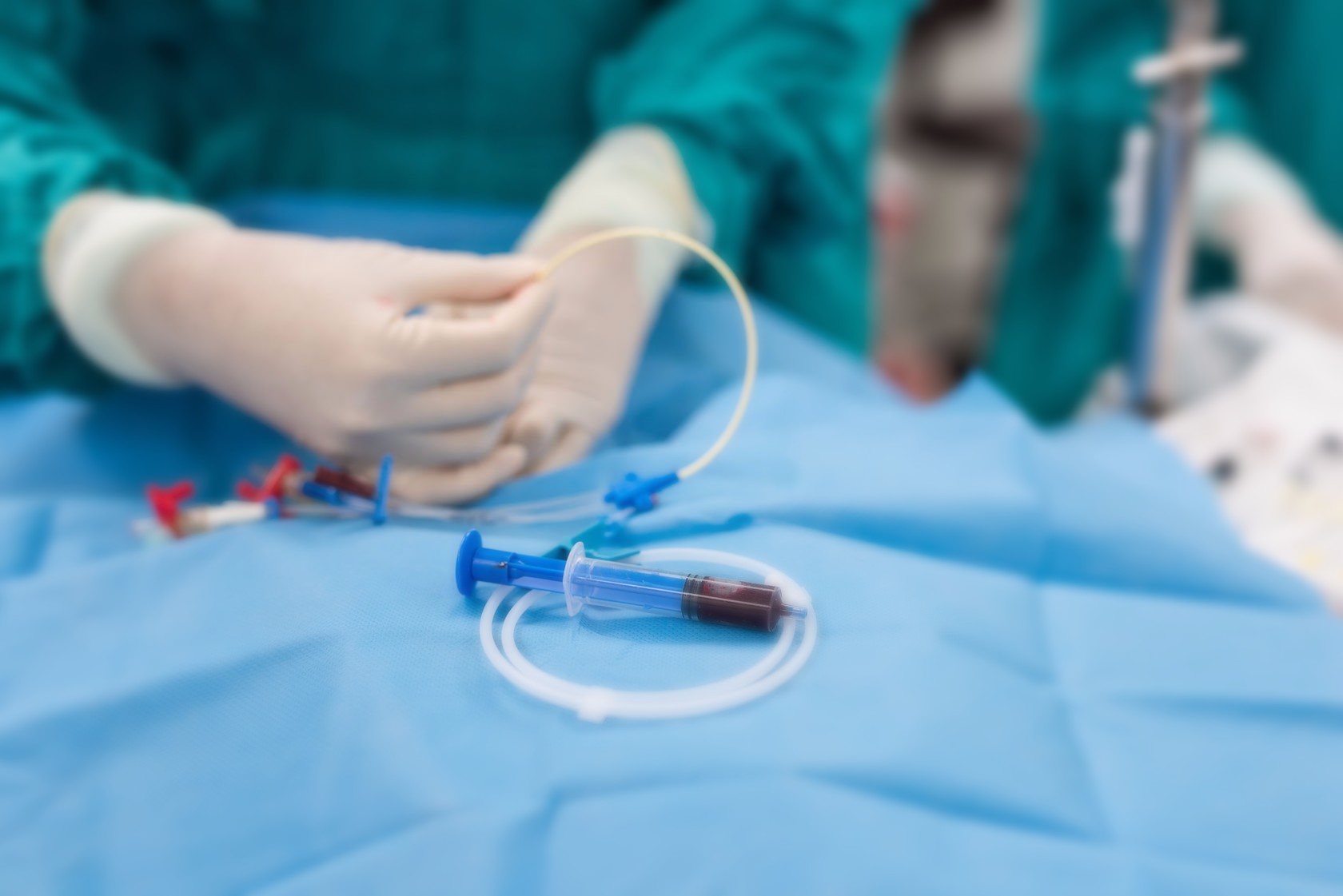
Insertion of special central venous catheter in external jugular or subclavian vein under ultrasound control for stem cell collection. Then chest X-ray control of catheter position.
Harvesting of stem cells

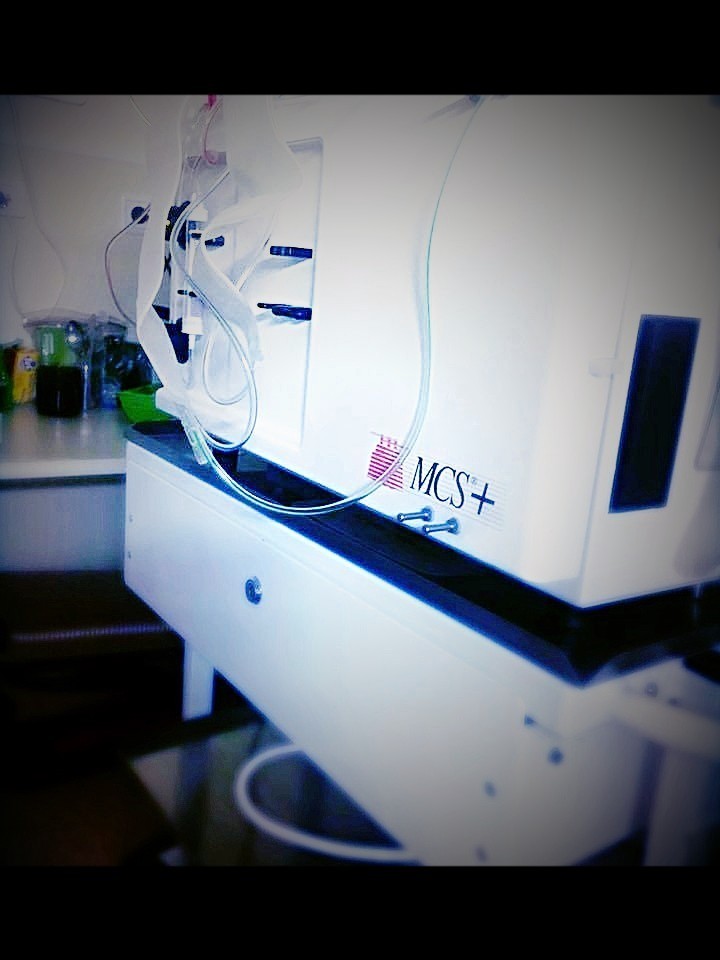
Collection of stem cells (1-3 days). To rebuild immune system, we need to collect more than 2 million hematopoietic stem cells per kg of body weight (>2 x 10⁶/kg/b.w. CD34+ HSC). Stem cells collection (harvesting) takes 5-6 hours (7-8 am – 1-2 pm). Autologous stem cell harvesting is performed by Haemonetics MCS+ multicomponent collections system or Spectra Optia Apheresis System.
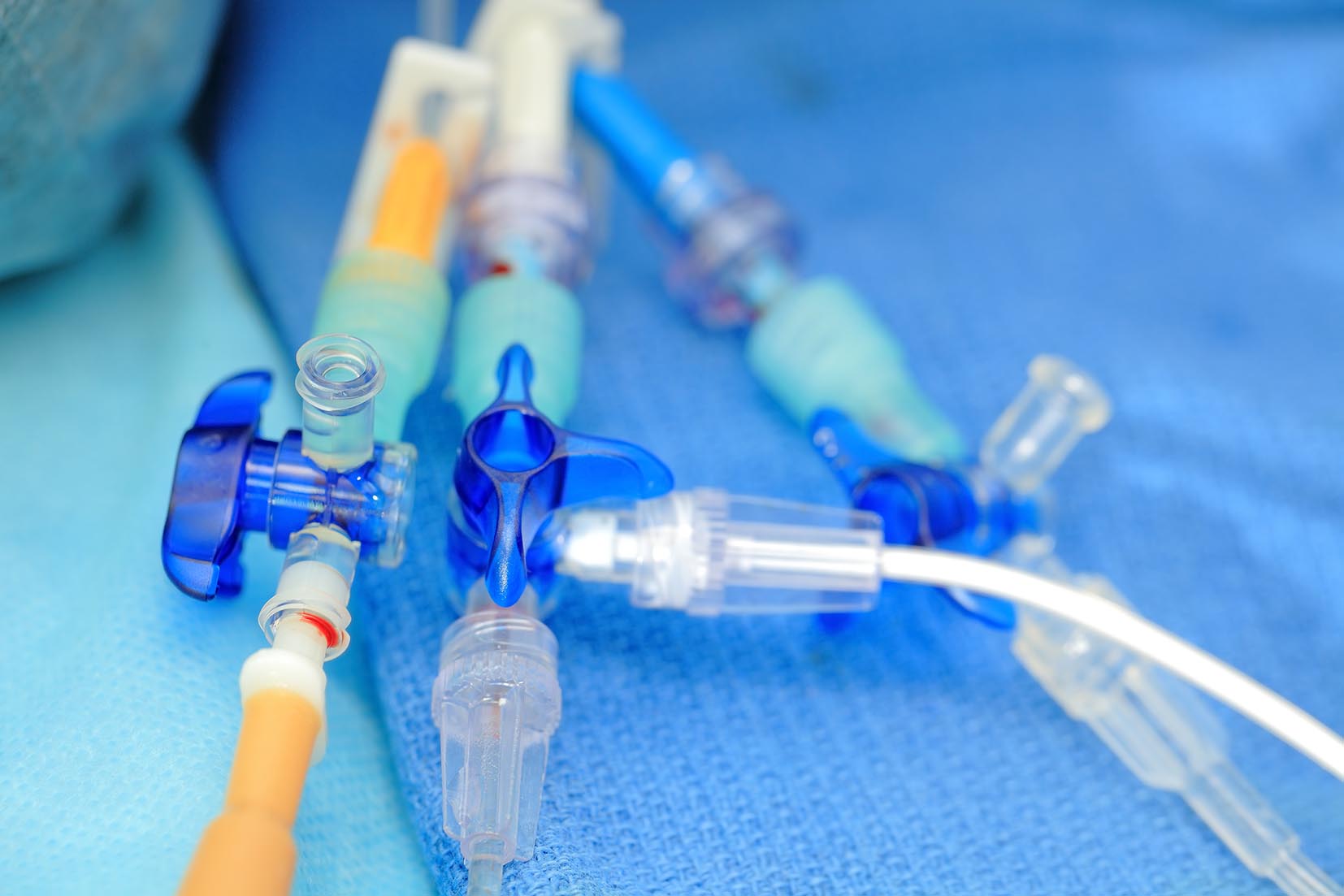
Removing dialysis

Removing of dialysis catheter and insertion of new ordinary triple-lumen catheter in external jugular or subclavian vein under ultrasound control for chemotherapy and further treatment
CHEMOTHERAPY

PROTOCOL 1

The most advanced and the most effective protocol nowadays

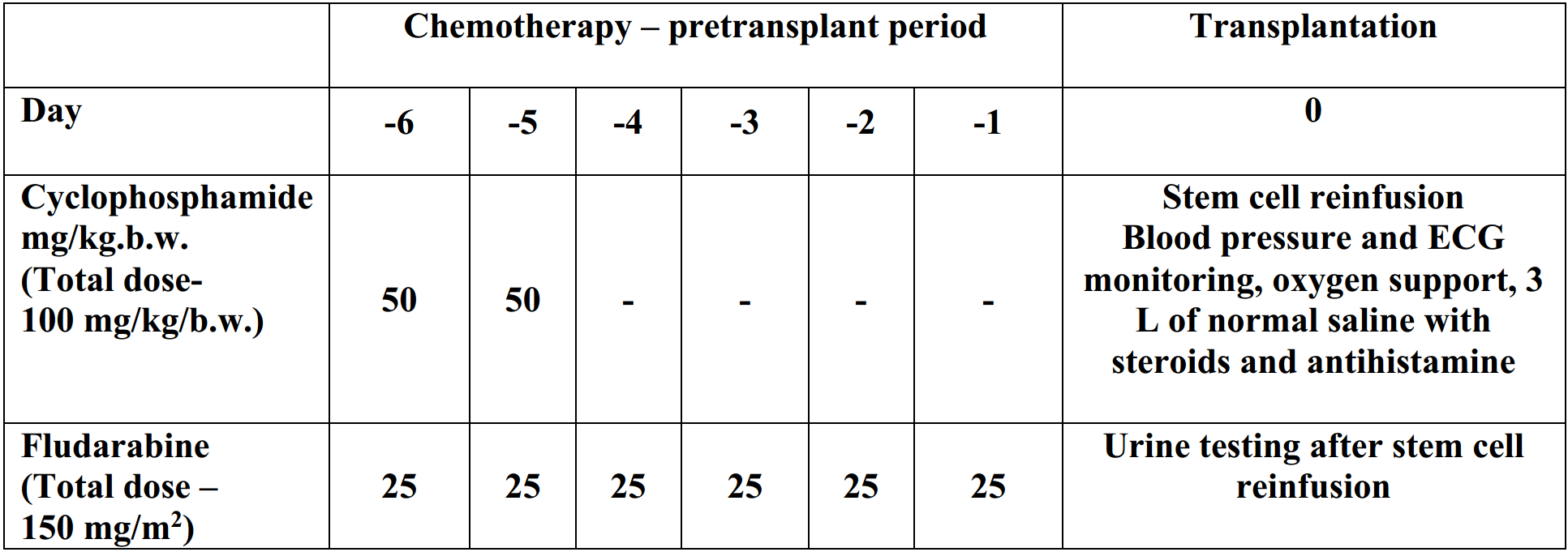
Chemotherapy (conditioning) takes 6 days

IN CASE OF 6-DAYS PROTOCOL

Cyclophosphamide with supportive medicine and Fludarabine for first two days,
and only Fludarabine for the last 3-6 days.

From the first day of chemotherapy we start antiviral, antibacterial and antifungal prophylaxis:
— Levofloxacin 500 mg/d,
— Fluconazole 200 mg/d,
— Acyclovire 1200 mg/d,
— Co-trimoxazole (Bactrim) 960 mg/d on Mon, Wen, Fri

Patient should take all tablets:
Pills for breakfast – patient takes one antacid pill before meals, other pills – after meals.
Pills for lunch – patient takes one pill after meals.
Pills for dinner – patient takes one antacid pill before meals, other pills – after meals.

Patient has additional oral medications on Mon, Wen, Fri:
Co-trimoxasole (2 white big pills –morning, evening).

We give Rituximab 500 mg/m² (1 infusion) after immune system recovery (from D+9 to D+12)

CHEMOTHERAPY

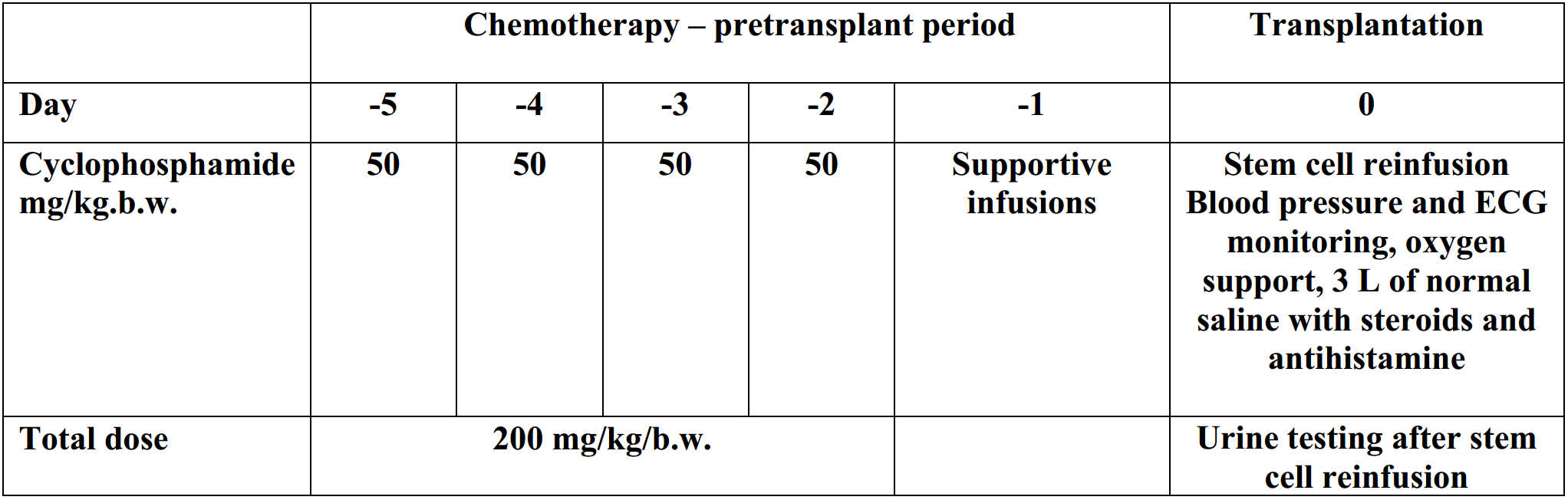
PROTOCOL 2

It is used in certain clinical situations when there are contraindications to the use of Fludarabine
Chemotherapy (conditioning) takes 4 days.

The main morning infusion of Cyclophosphamide with supportive medicine and hydration
(3 L of normal saline) and takes 3 hours (usually 10 am – 1 pm).

Second and third infusions (mesna uroprotection, nausea prophylaxis)
– in 4 and 8 hours after the first one

The most common side effects are:

  • Nausea
  • Vomiting
  • Diarrhea
  • Constipation
  • Oropharyngeal mucositis
  • Alopecia
  • Pancytopenia (low leucocytes, hemoglobin)
  • Hemorrhagic cystitis
  • Fever

TRANSPLANTATION DAY

  • After finishing chemotherapy, we start stem cell infusion at 1pm and finish at 3 pm.
  • We recommend not to have meals after midday (12 pm), you can drink as much as you want.
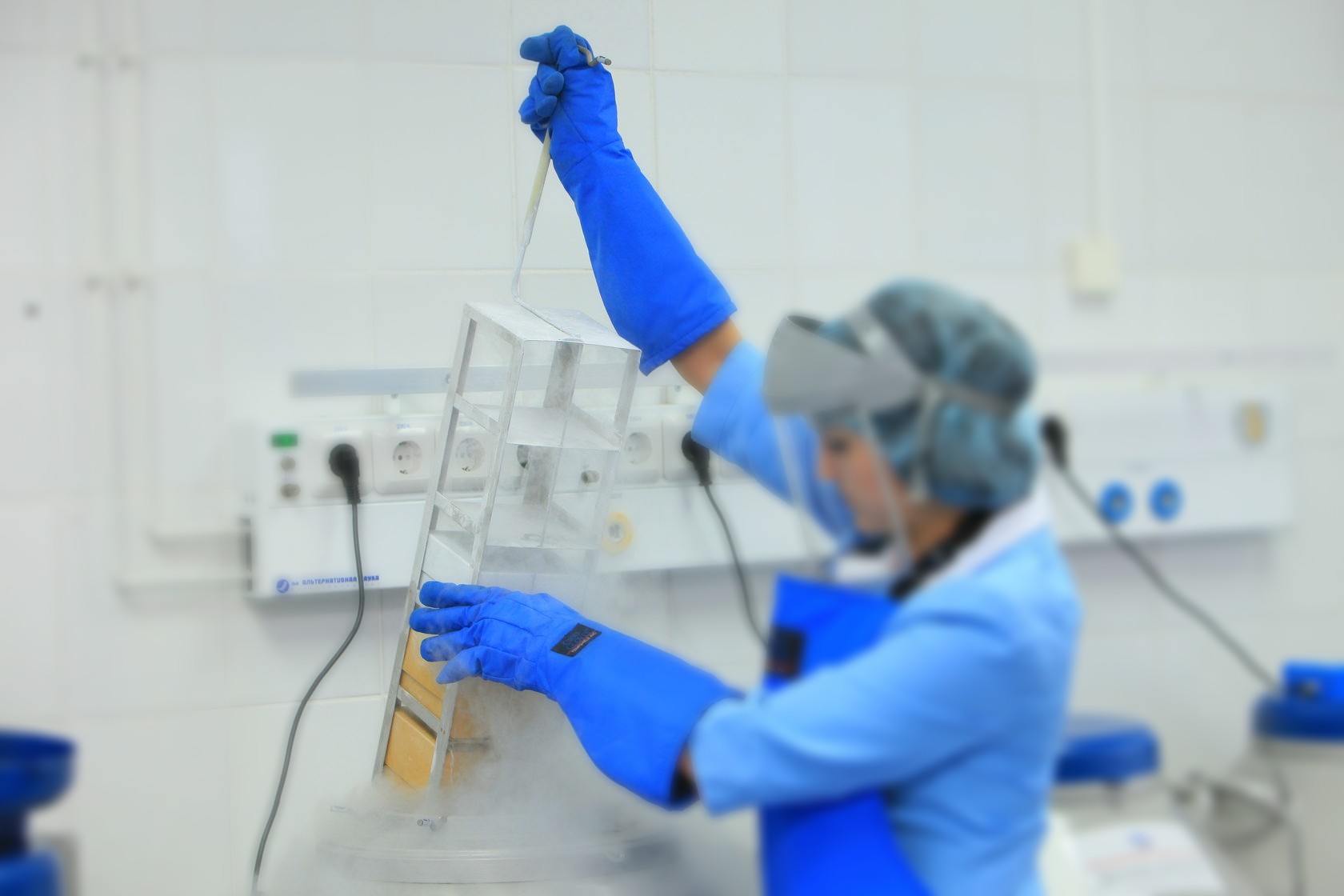
  • We remove the cryopreservation bags individually from liquid nitrogen and place them immediately in the water bath and thaw it.
  • When thawed (-2-3 minutes), we infuse it as quickly as possible
  • Together with stem cells, we give fluids (3-4 L of saline), antihistamine, steroids and other symptomatic medications as needed.
  • Also, we monitor heart rate (ECG), blood pressure, respirations, body temperature.
  • Another side effects are pungent/tomato taste and smell, red-stained urine.
  • We ask to urinate in special bag to assess a color of urine after stem cell reinfusion.

Possible adverse reactions:

  • Nausea
  • Coughing
  • Vomiting
  • Flushing
  • Fever
  • Dyspnea
  • Chills
  • High or low blood pressure
  • Allergy
  • Low or rapid ventricular rate

Isolation period

  • Nausea
  • Vomiting
  • Diarrhea
  • Constipation
  • Oropharyngeal mucositis
  • Alopecia
  • Pancytopenia (low leucocytes, hemoglobin)
  • Hemorrhagic cystitis
  • Fever

Rehabilitation of immunne system

A patient must inform medical staff immediately of any problems or changes in condition.

We monitor blood pressure, heart rate, body temperature 3 times a day.
Patient usually has supportive infusions – natrium saline, electrolytes, low-dose dexamethasone twice a day, G CSF (subcutaneous shot, once a day at 3 pm) to decrease length of neutropenic phase.
Additionally, we can use intravenous antibacterial, antivirus, antifungal medications when needed.
We provide blood component transfusion when hemoglobin or platelet level is too low (Hb<80 g/L, Plt< 20 x 109/L).
Patient has 5h Rituximab infusion on D+1 and D+8

AFTER HSCT TREATMENT

WE RECOMMEND

To avoid contacts with sick people

  • Like flu or chicken pox.
  • There are no special restrictions for sexual life if partner is healthy.
  • We recommend to use contraception during year after AHSCT

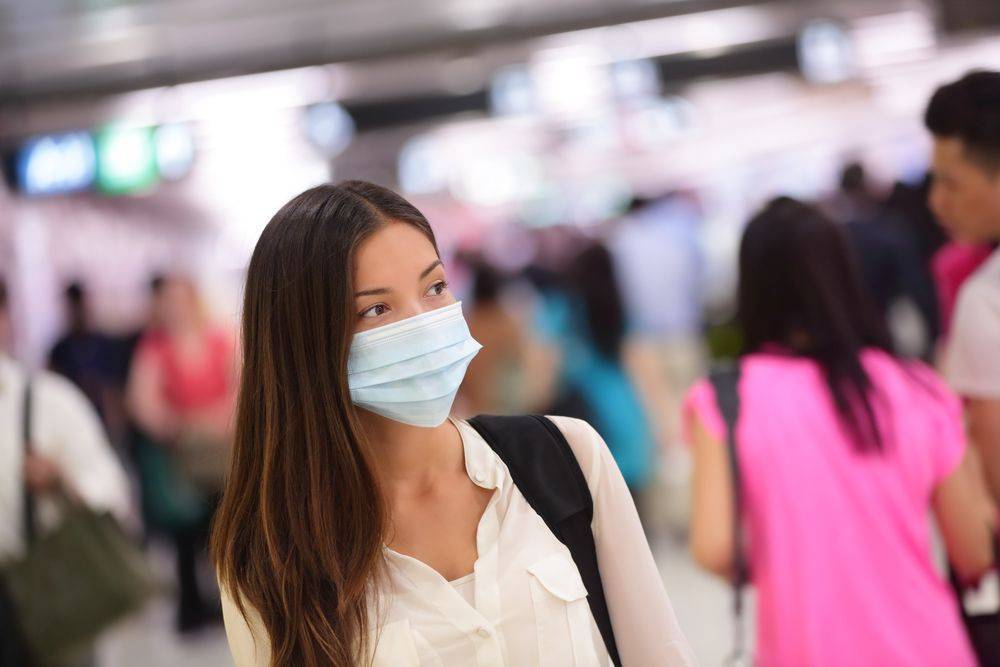
To wear mask in public places

  • To wear mask during first 3 months in public or crowded places (arriving/departure areas, supermarkets, metro etc.)
  • There is no risk to be in contact with pets if they are healthy
  • There is no risk to be in contact with family members if they are health

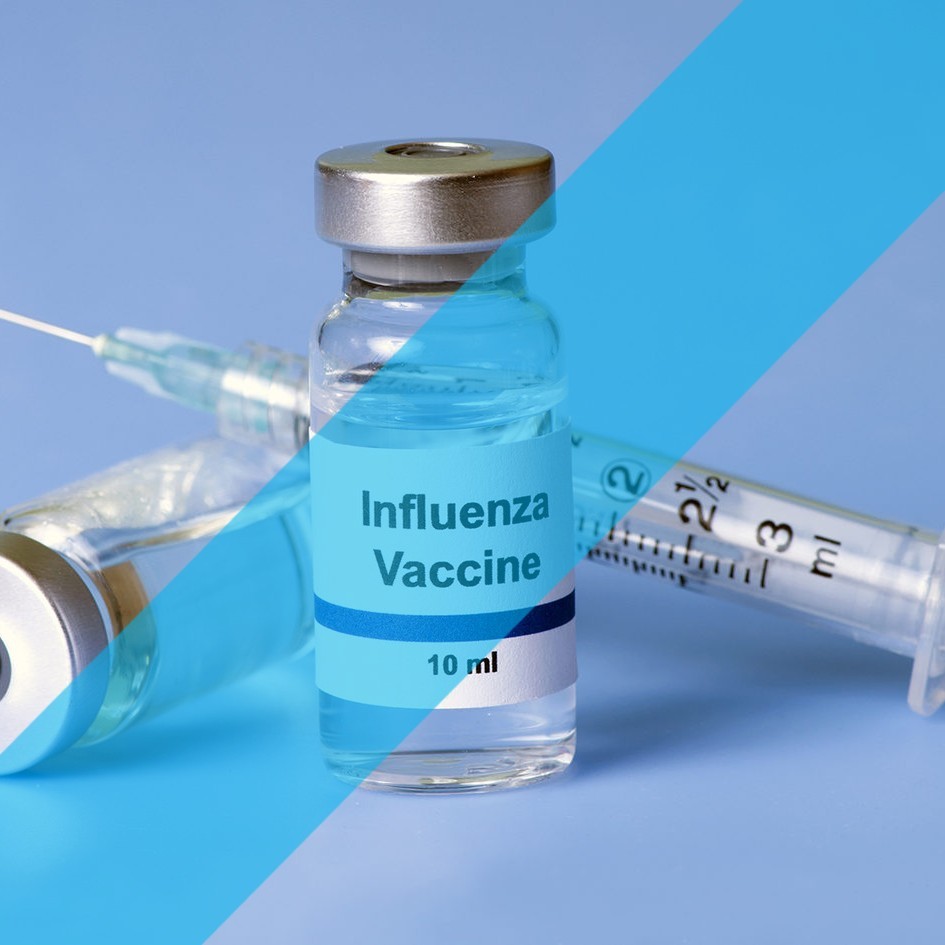
Avoid vaccinations

In vast majority of cases we don’t recommend vaccinations

  • Antiviral
  • Antibacterial
  • Antifungal prophylaxis after lymphoablative protoco.

Patient immune system has memory, additional vaccination can cause relapse of autoimmune process.

Health monitoring

Monitoring of blood tests:

  • total blood count
  • biochemistry screening — serum urea
  • electrolytes
  • creatinine
  • calcium
  • uric acid
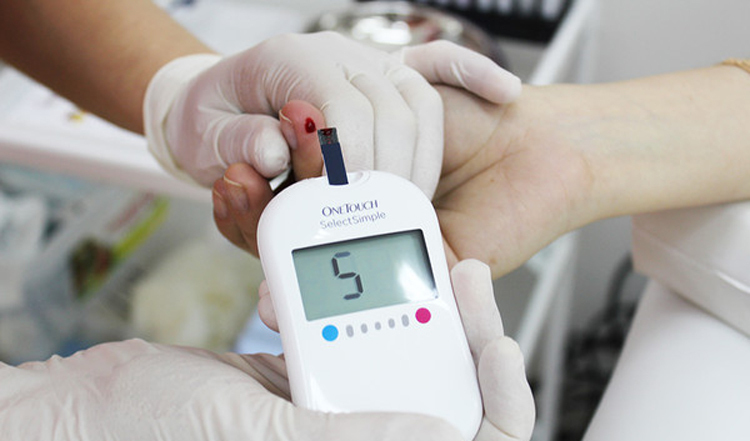
  • blood sugar
  • Liver function tests
  • C reactive protein

Monitoring temperature of body

  • To monitor body temperature every evening during 1 month.
  • In case of any signs of infection patient must go to hospital.
  • No matter with or without high temperature (>37.5C)
  • Fever without signs of infection — patient must go to hospital

Posttransplant rehabilitation

  • GP (or hematologist) examination in 2 and 4 weeks after the disсharge.
  • Observation of neurologist or rehabilitation doctor physiotherapist.
  • Public places like public swimming pools, gyms, health centers

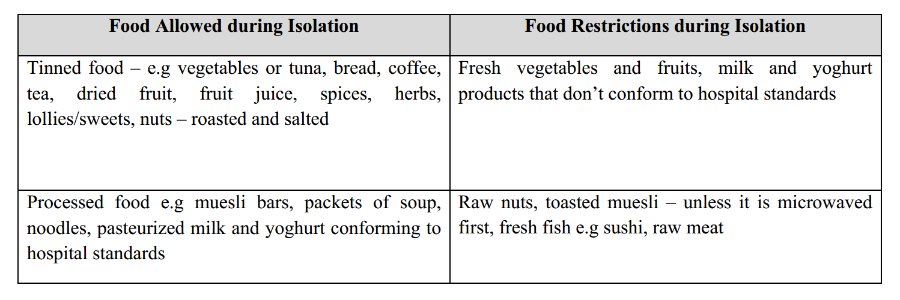
Food restrictions

We recommend to be careful with fast food, to avoid raw fish, meat (sushi, carpaccio etc) within the next 3 months after discharge.

  • Fresh fruit and vegetables, milk products are available.
  • All food supplements, vitamins which patient used before are available